The 12 Major Cuisines of China
Twelve regional traditions, each shaped by its climate, ingredients and cooking techniques.
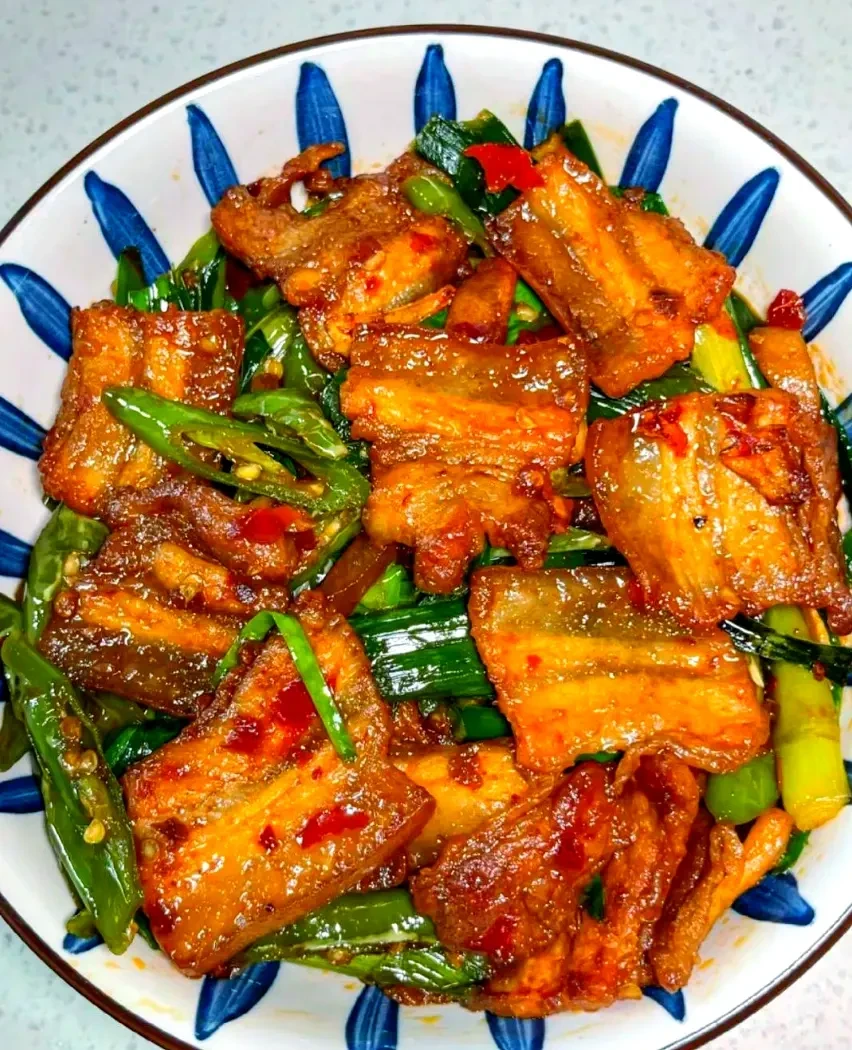
Sichuan Cuisine
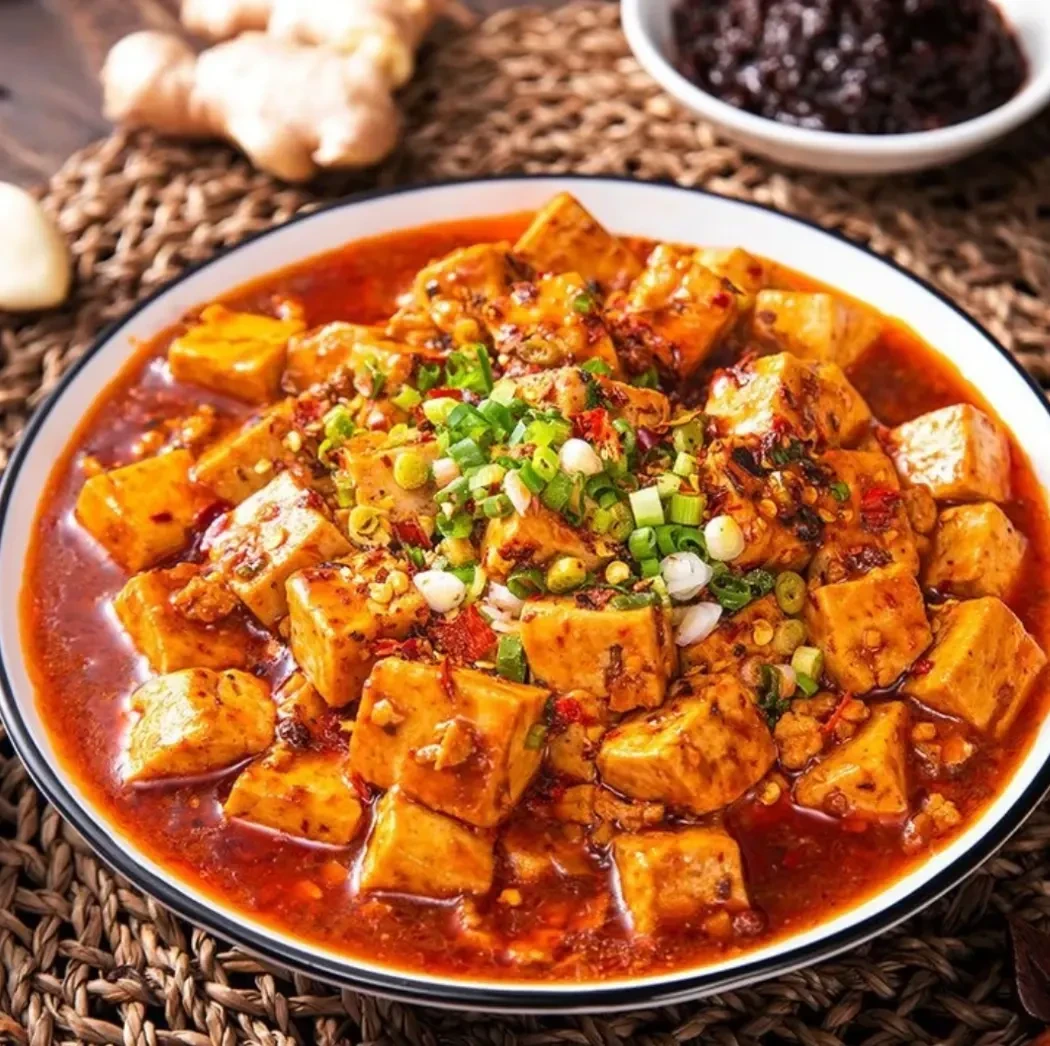
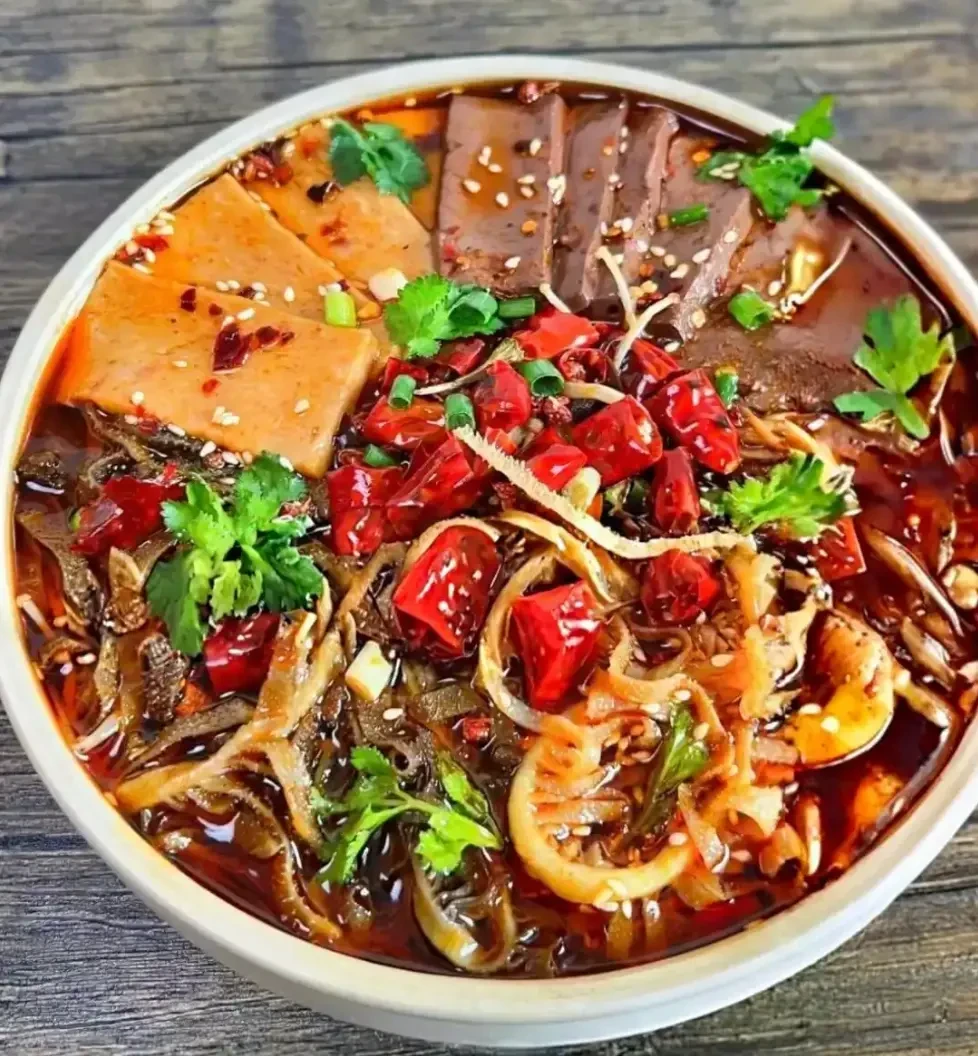
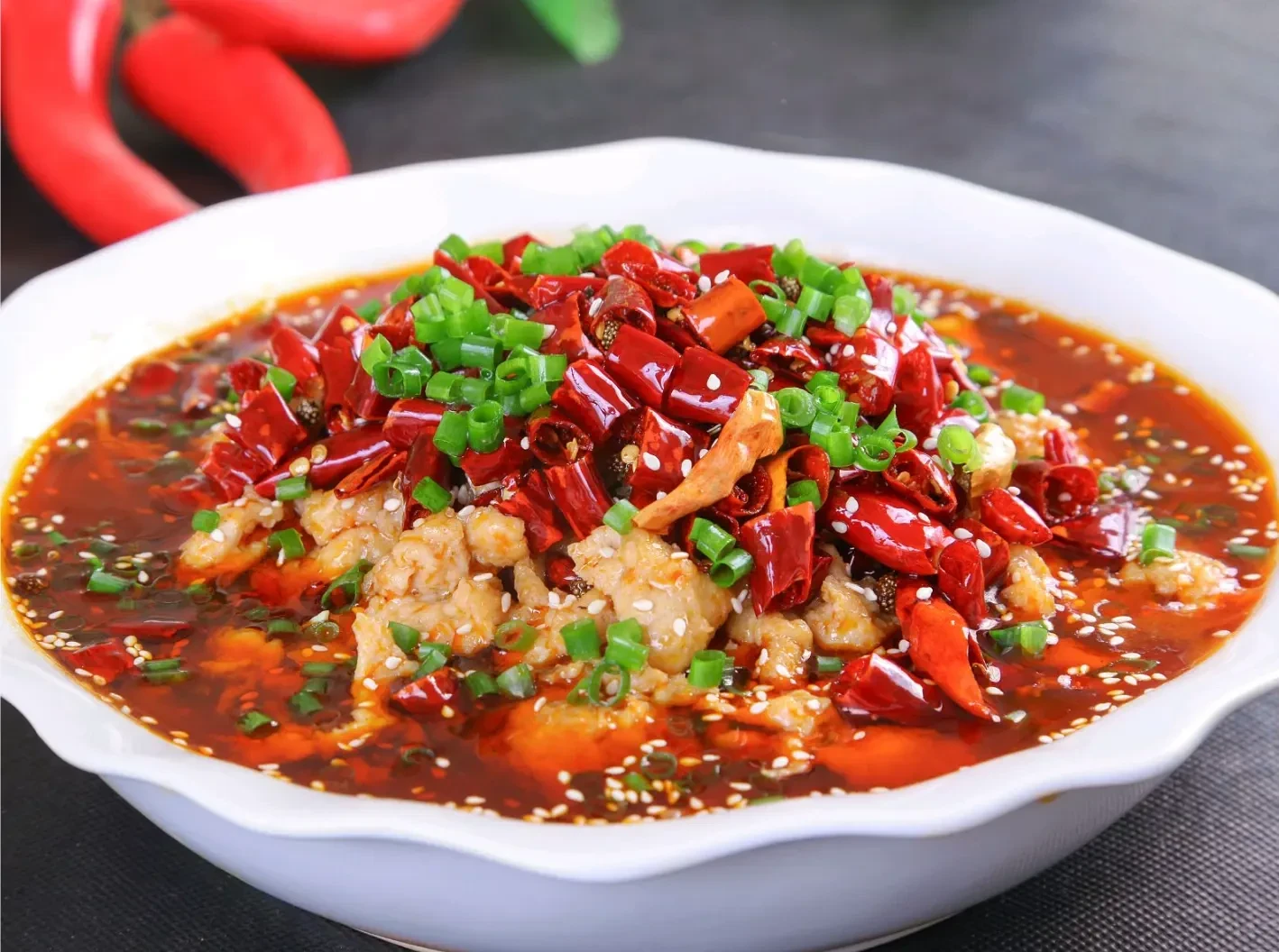
川菜Sichuan cuisine is famous for the numbing tingle of Sichuan peppercorn paired with chili heat. Stir-frying, braising, and pickling are core techniques, and flavors are bold and layered rather than simply hot.
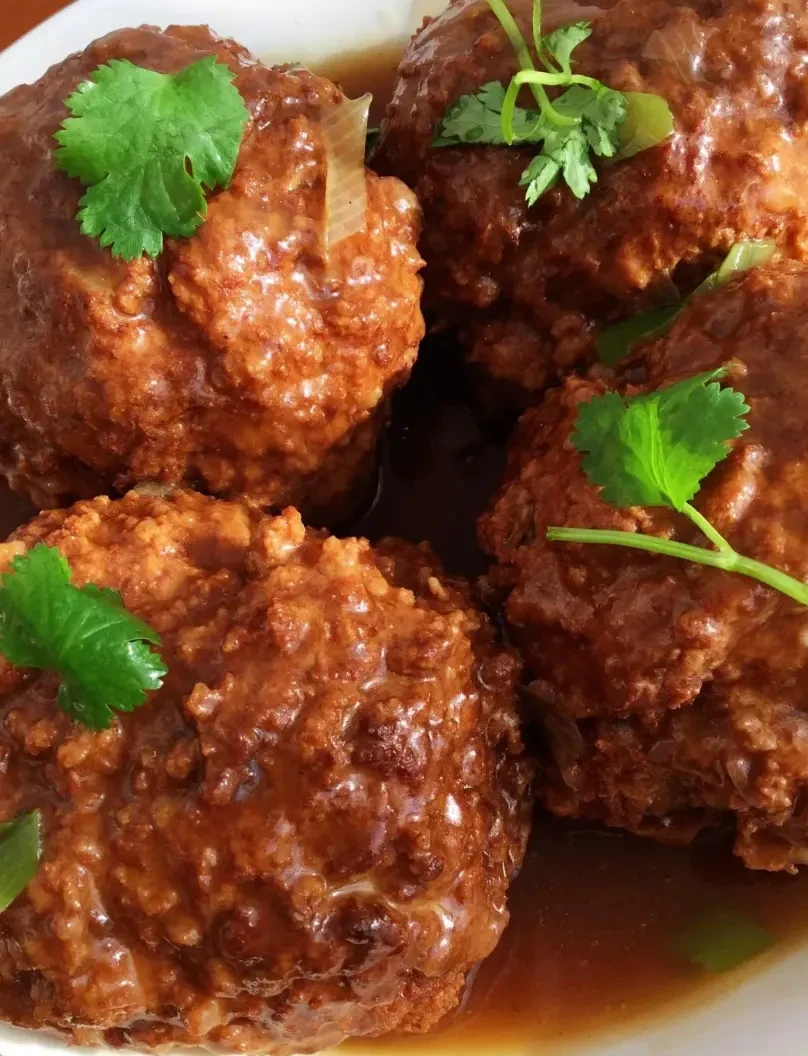
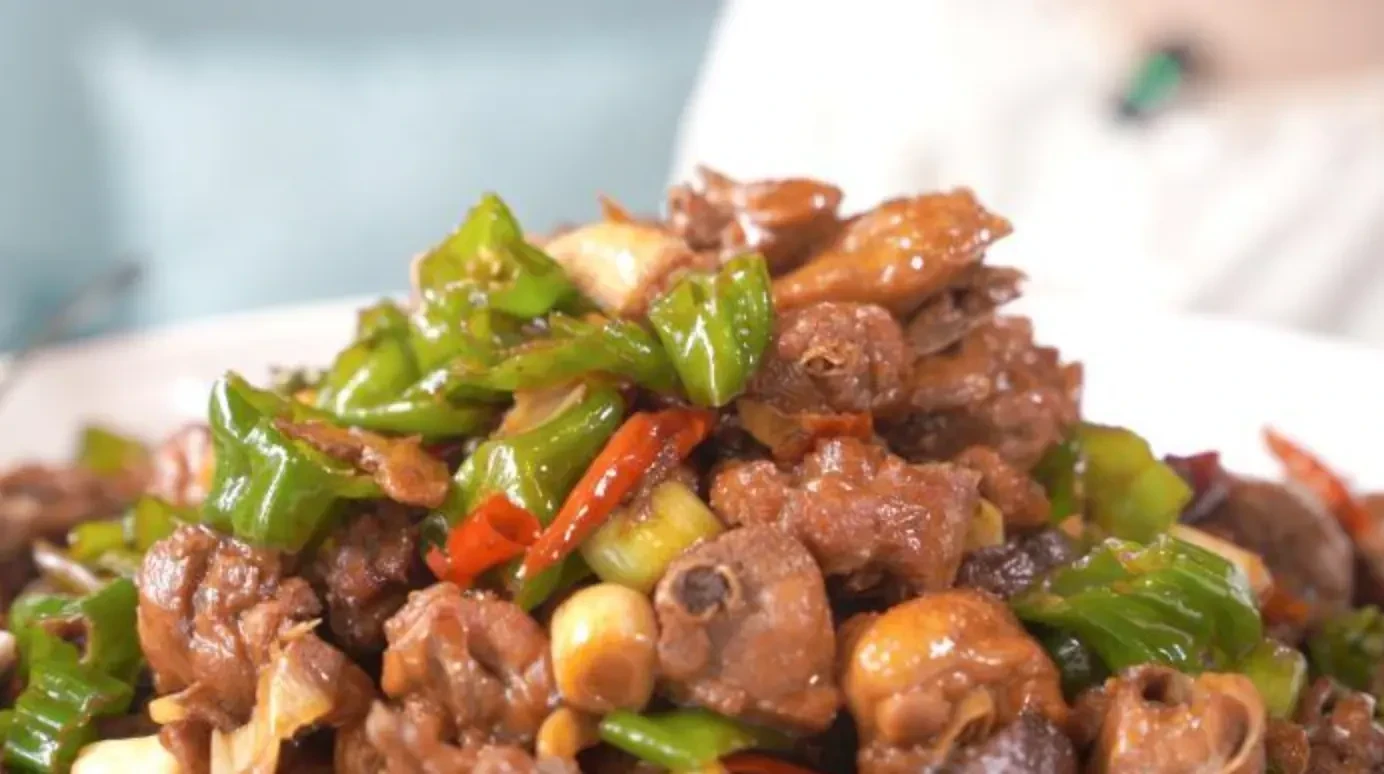
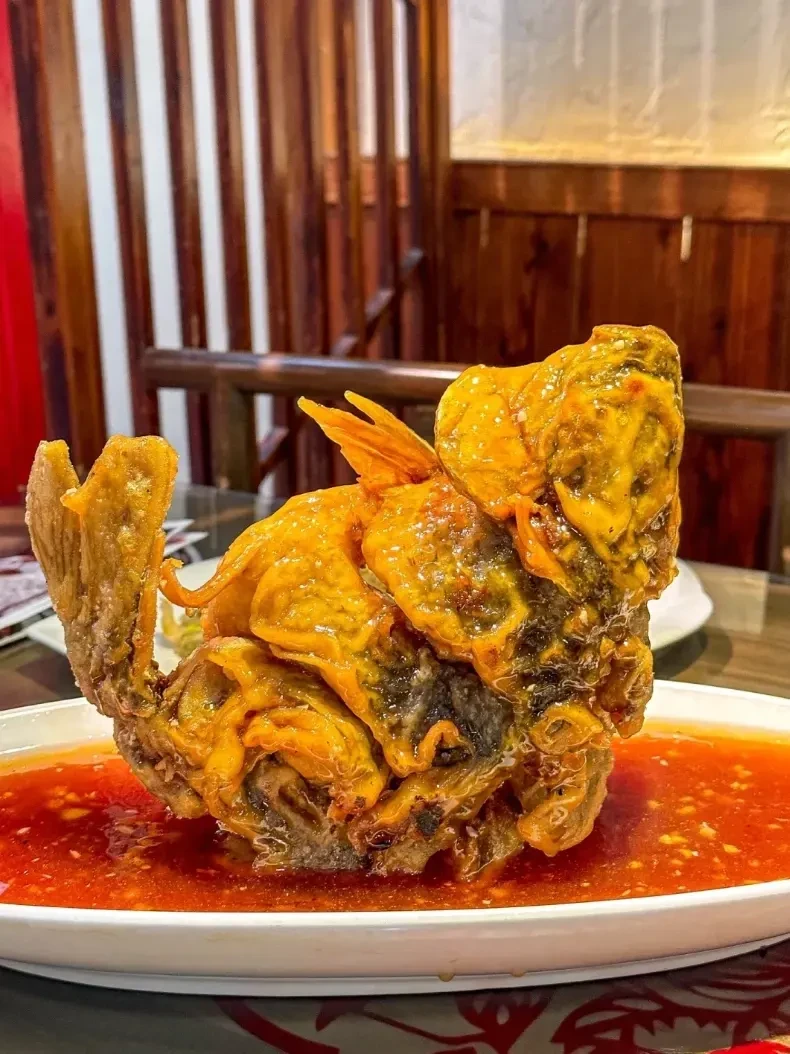
Shandong Cuisine
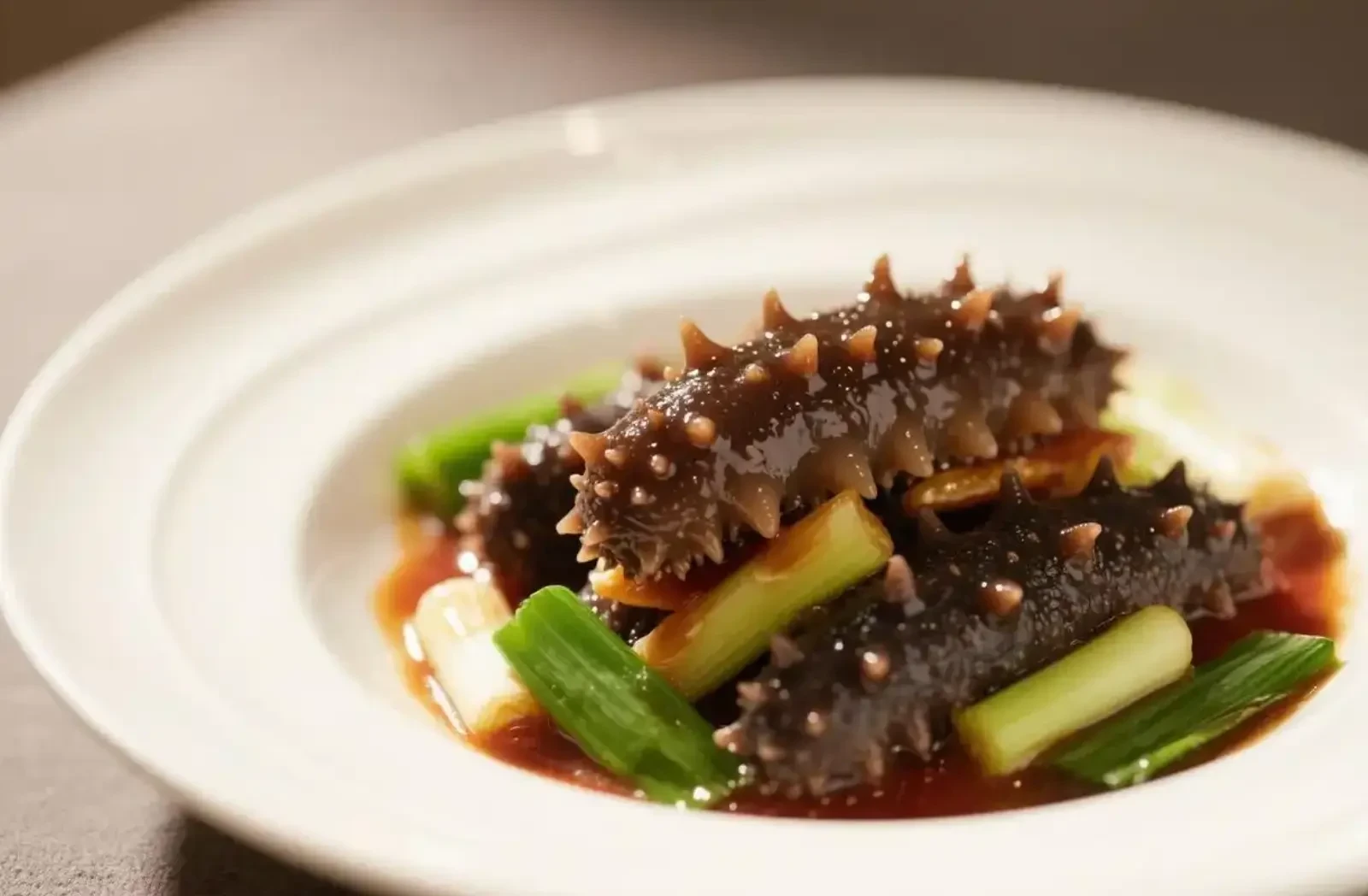
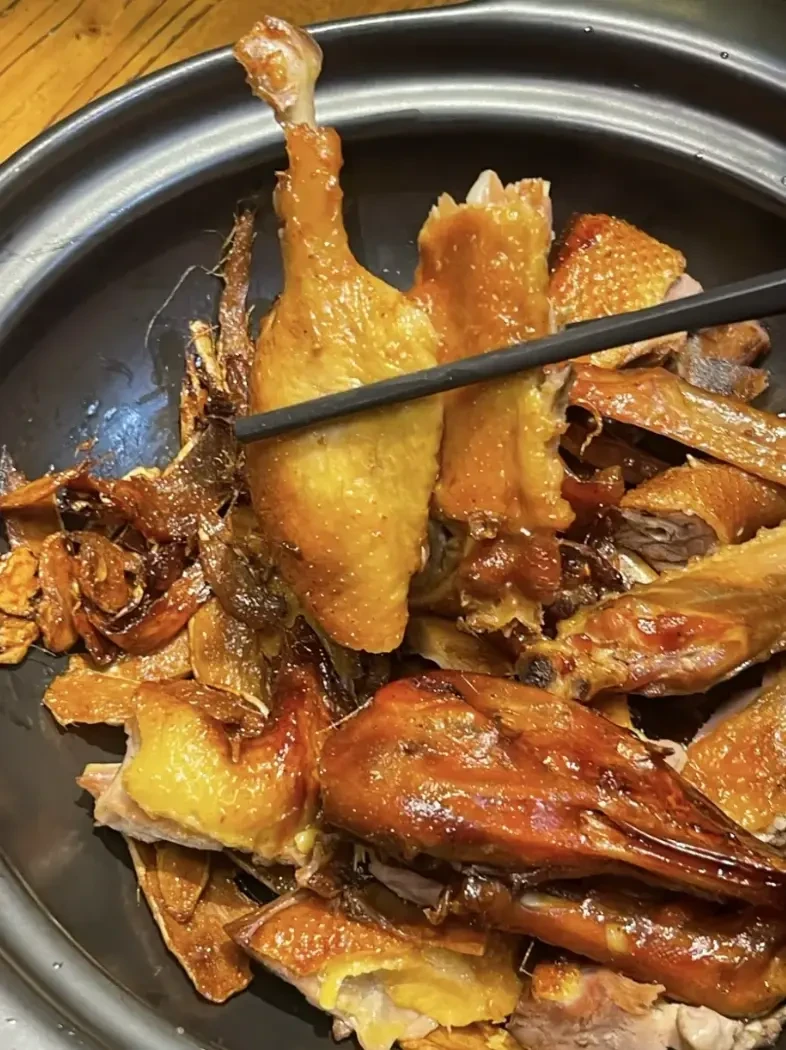
鲁菜Shandong cuisine, also known as Lu cuisine, is one of the four major traditional Chinese cuisines. It lays great emphasis on the natural freshness of ingredients. Its cooking methods include braising, deep-frying, stir-frying, simmering and roasting. Lu dishes taste mainly savory and fresh, with skillfully balanced sweet, sour and aromatic notes. Chefs attach great importance to huo hou, or heat control. Many signature dishes feature clear, rich sauces, highlighting the original flavor of ingredients. Representative dishes include Dezhou Braised Chicken, Sweet and Sour Carp and Braised Sea Cucumber with Scallion.
Cantonese Cuisine
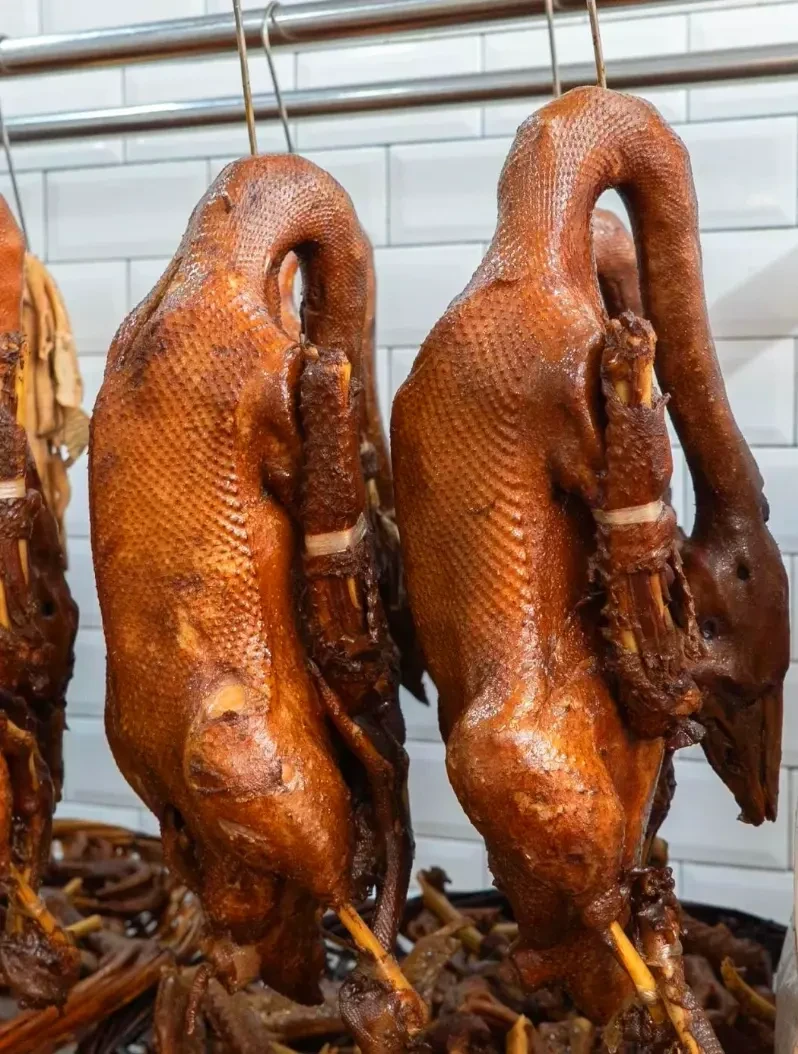
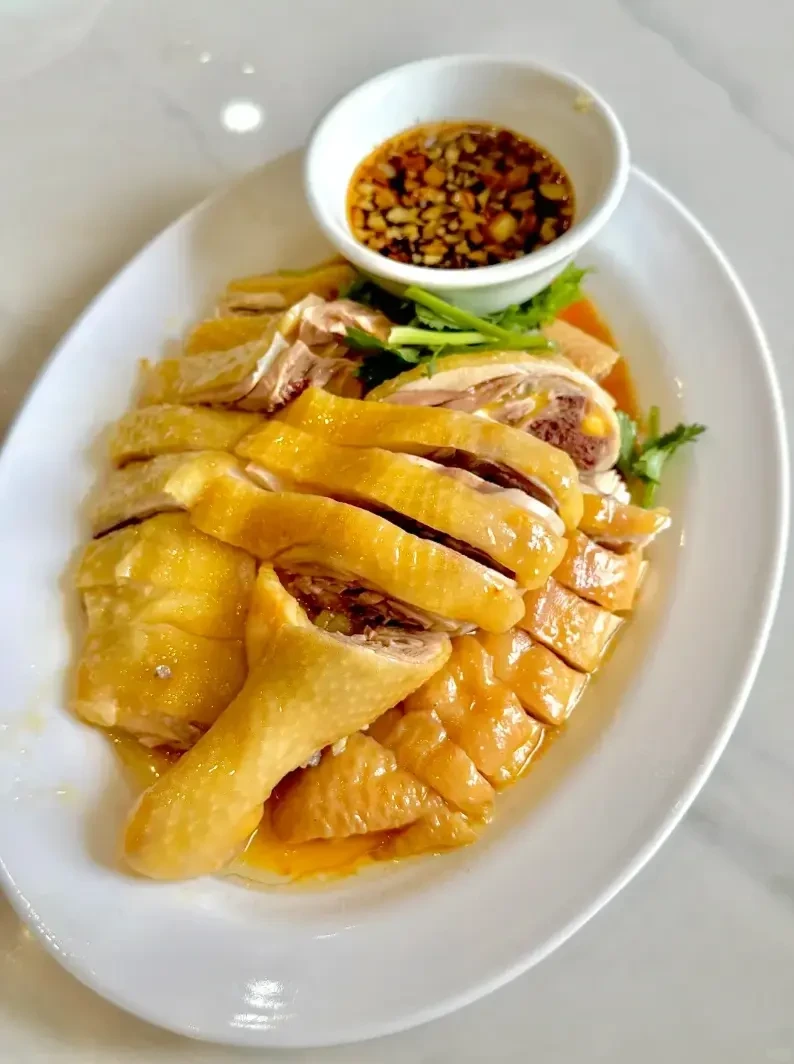
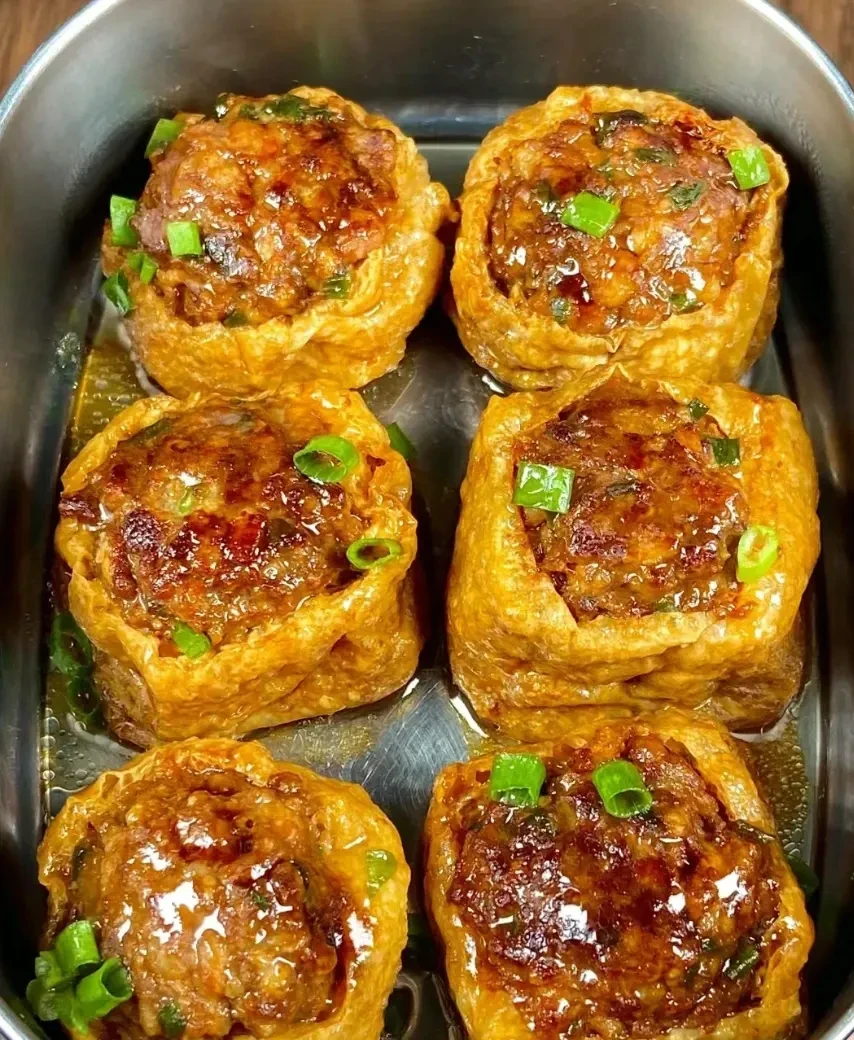
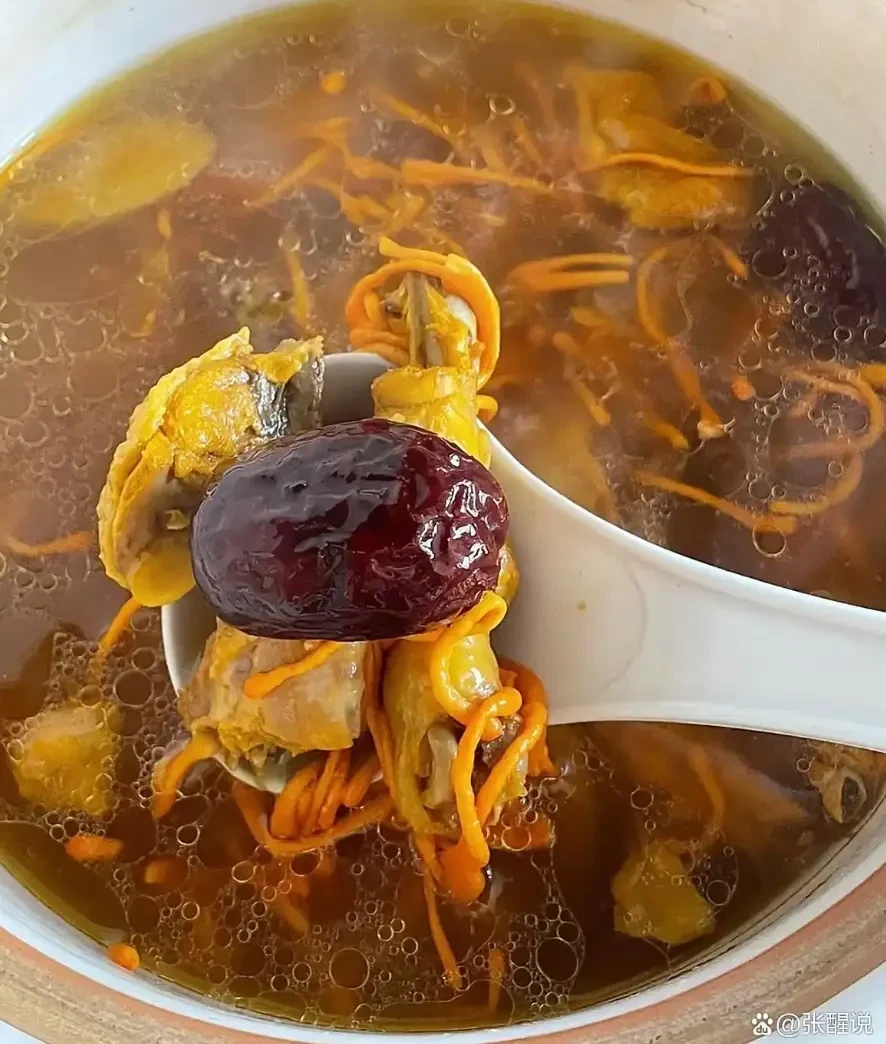
粤菜Cantonese cooking prizes fresh ingredients and light seasoning. Steaming, roasting, and quick stir-frying let the natural flavor of seafood and vegetables come through, and dim sum is a daily ritual.
Huaiyang Cuisine
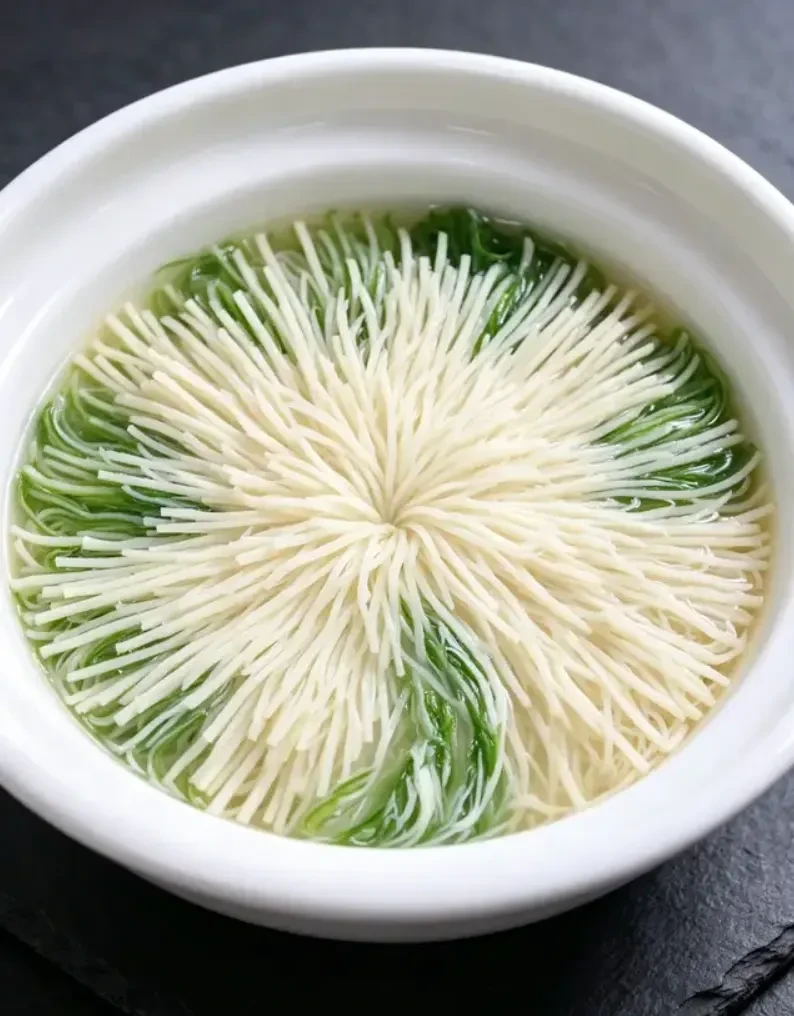
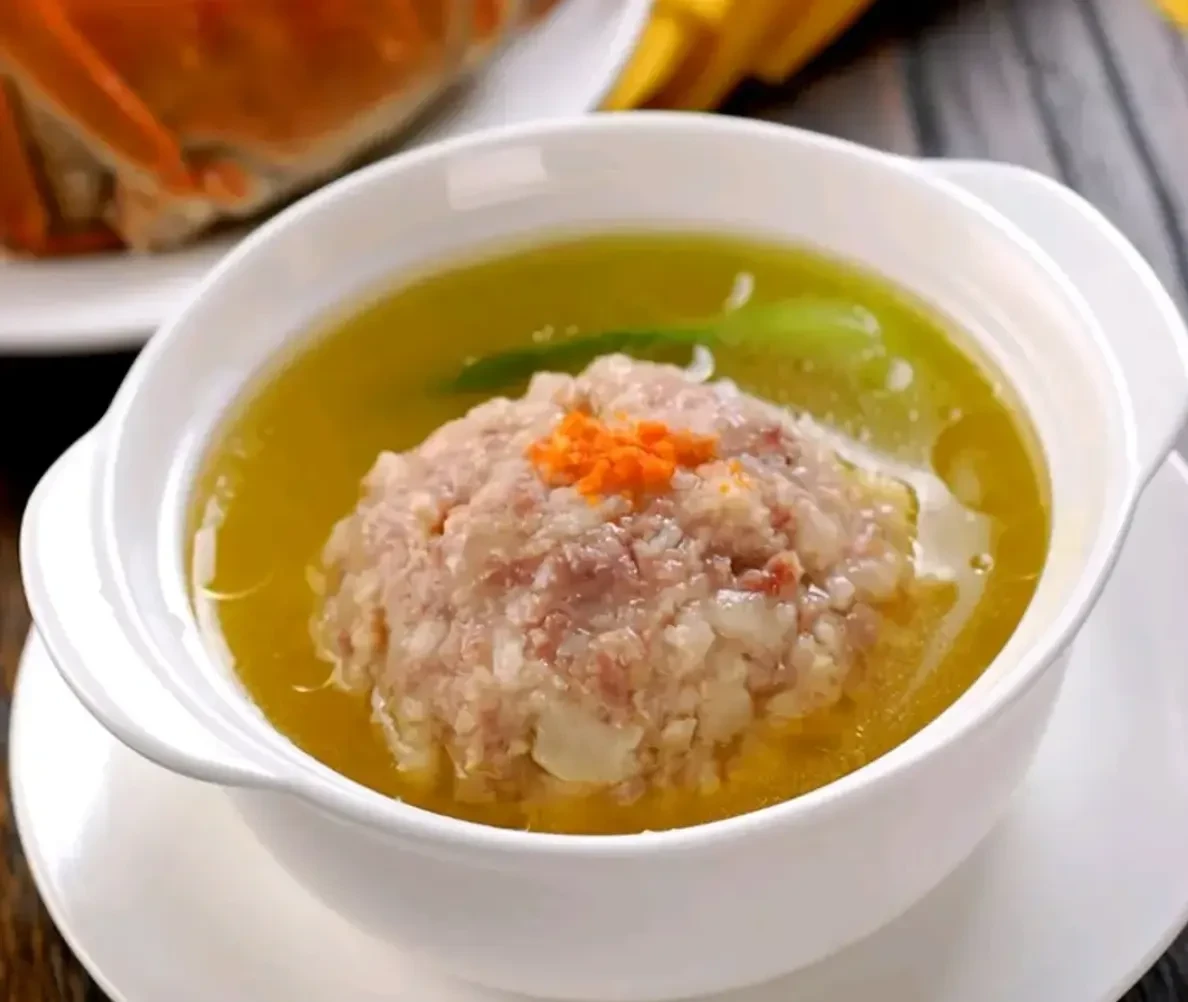
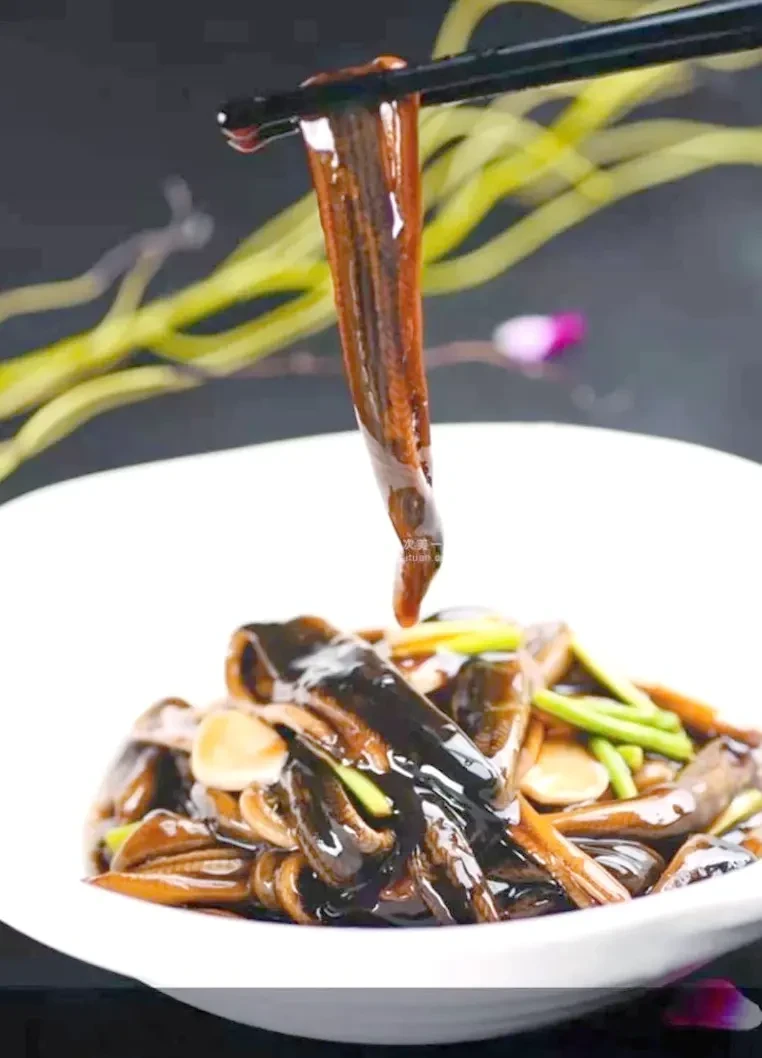
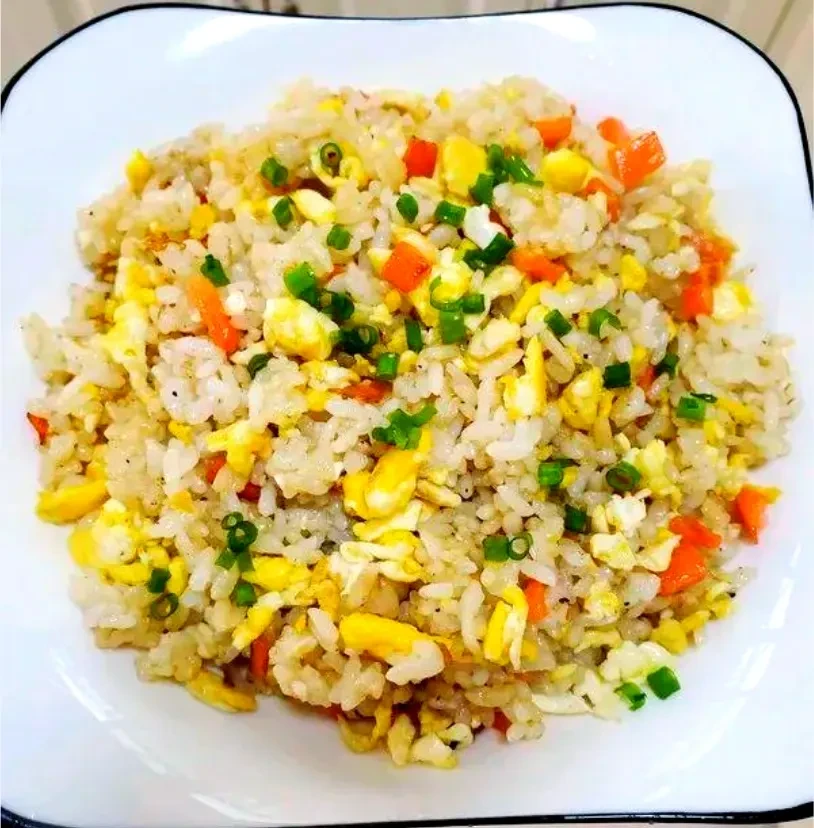
淮扬菜Huaiyang cuisine is known for refined knife work, gentle sweet-savory sauces, and freshwater fish from the lower Yangtze. Huaiyang cooking in particular is prized for balance and clarity of flavor.
Zhejiang Cuisine
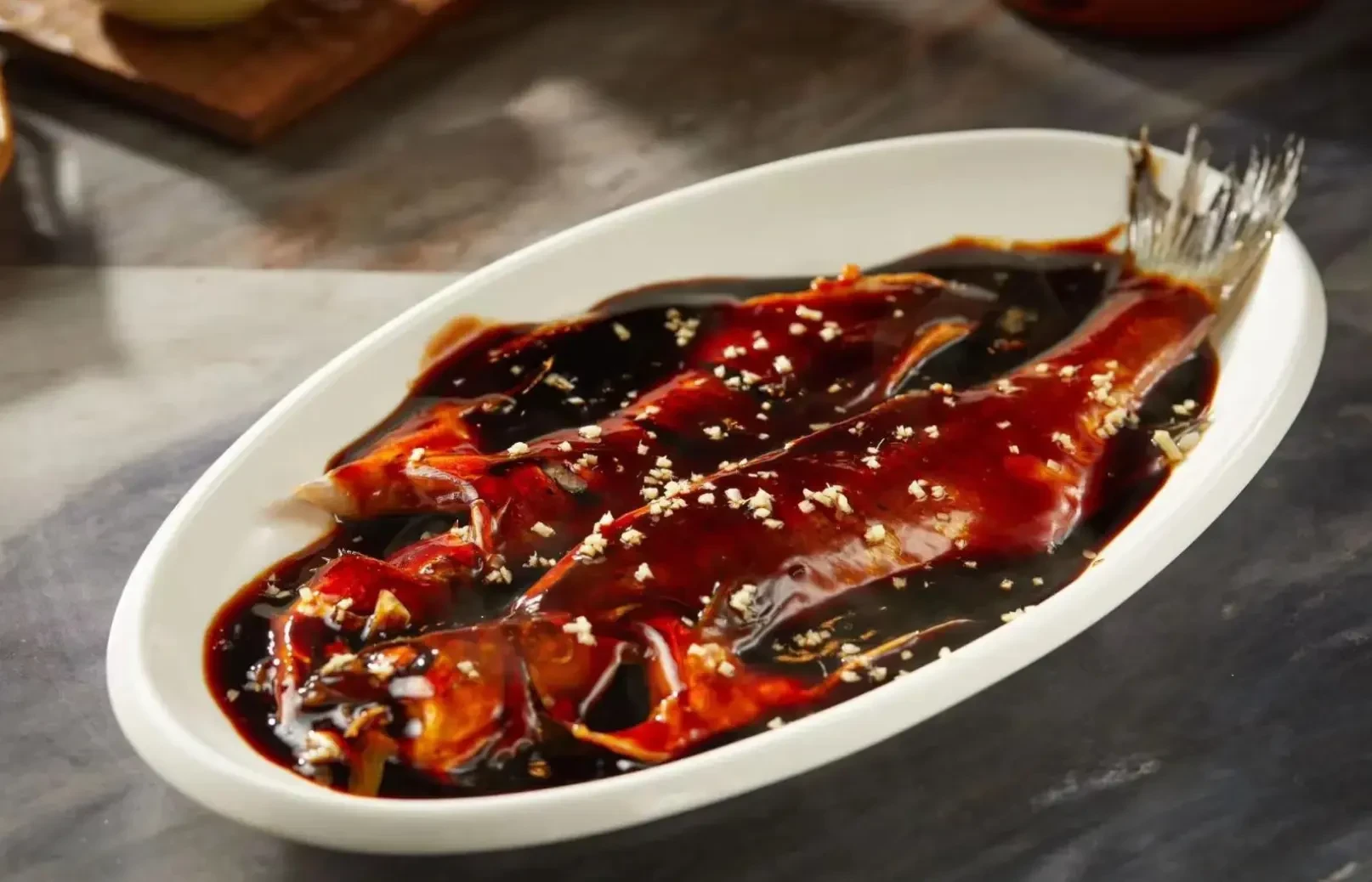
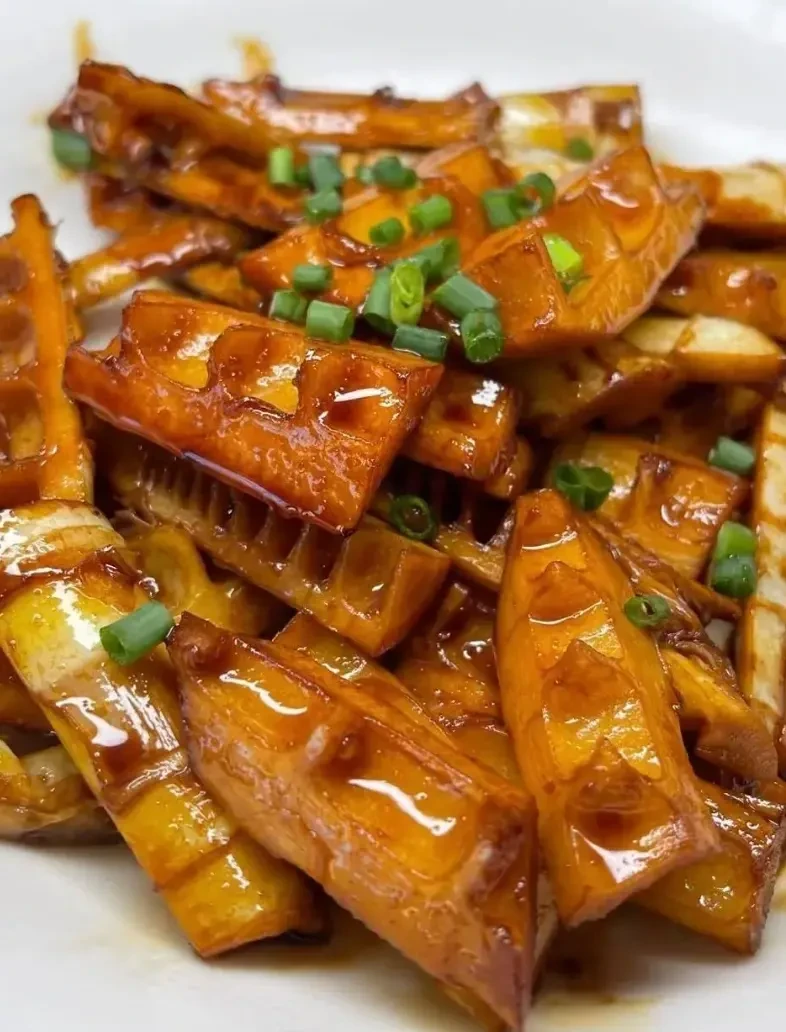
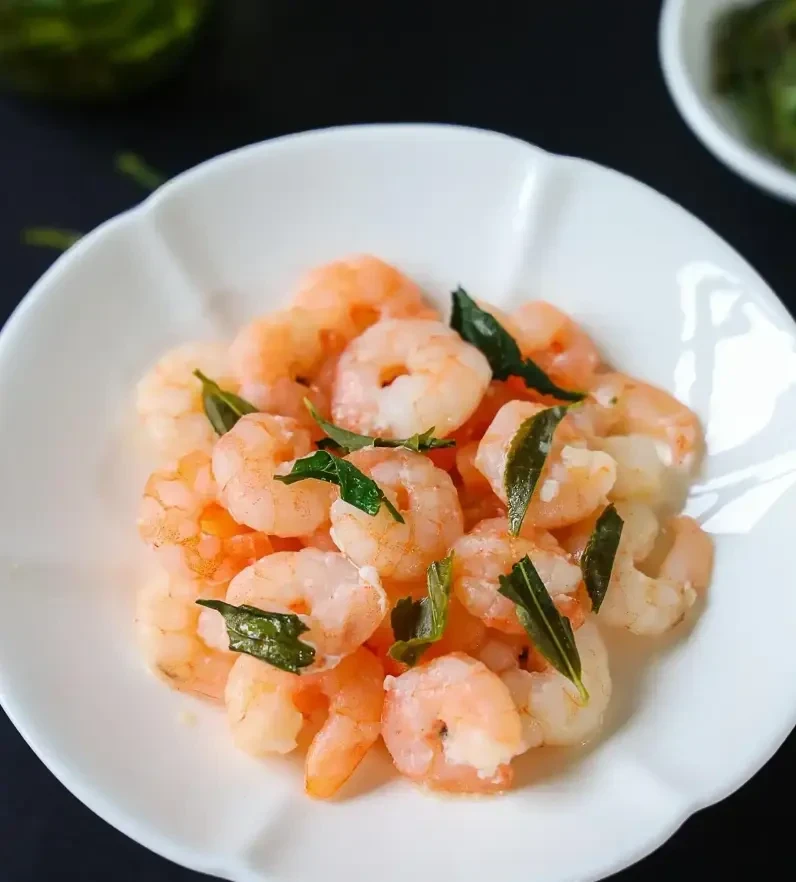
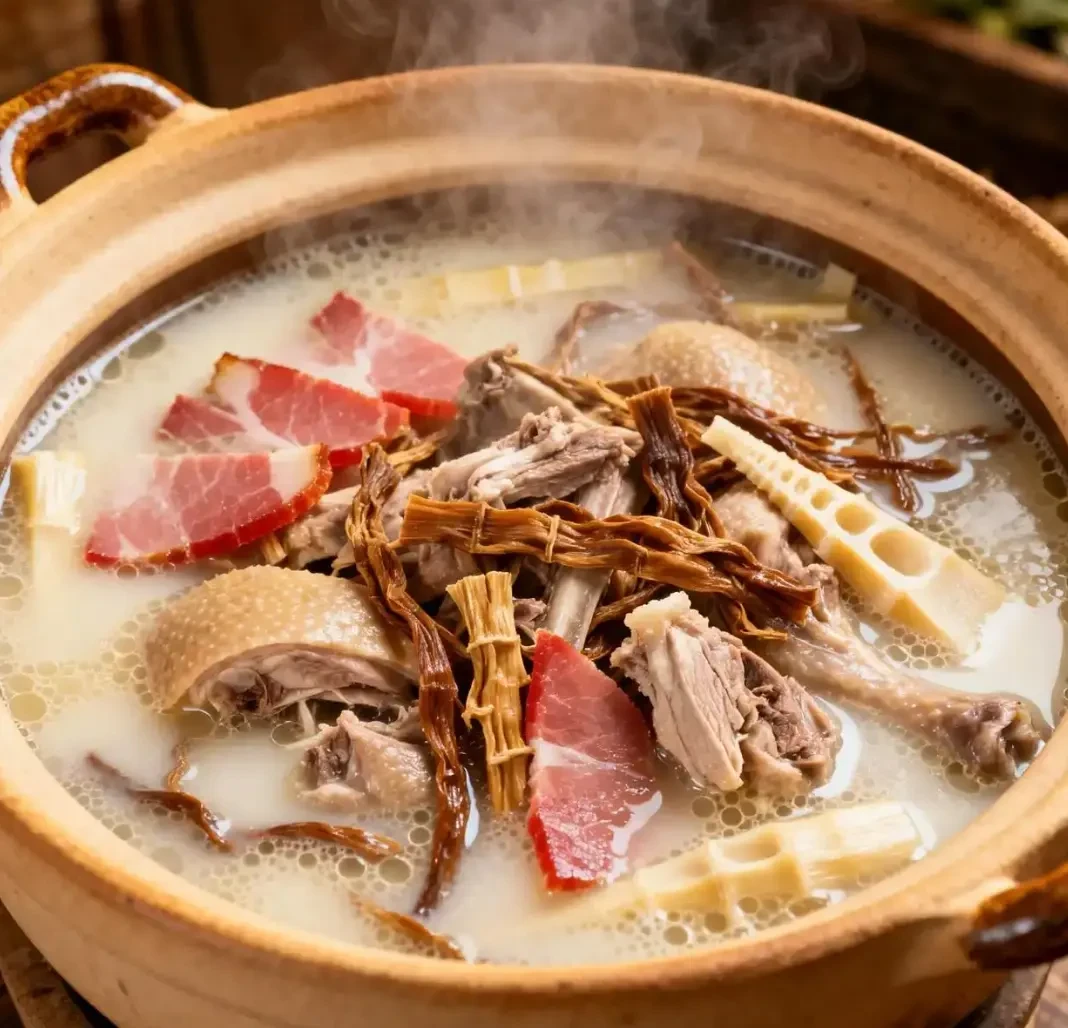
杭帮菜Zhejiang cuisine draws on fresh river and sea produce and mellow Shaoxing wine. Dishes are tender, lightly sweet, and often slow-braised, with a clean finish.
Fujian Cuisine
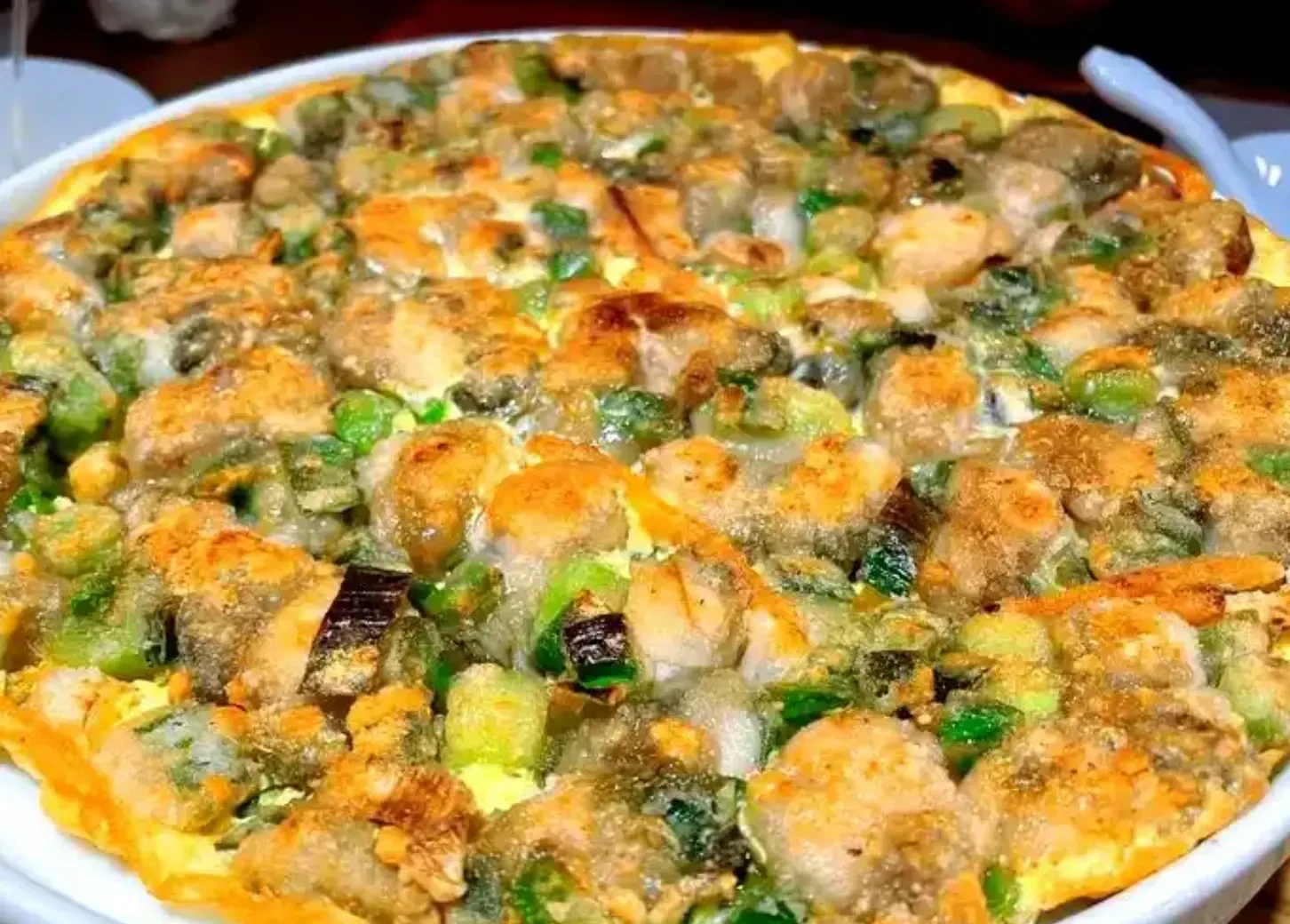
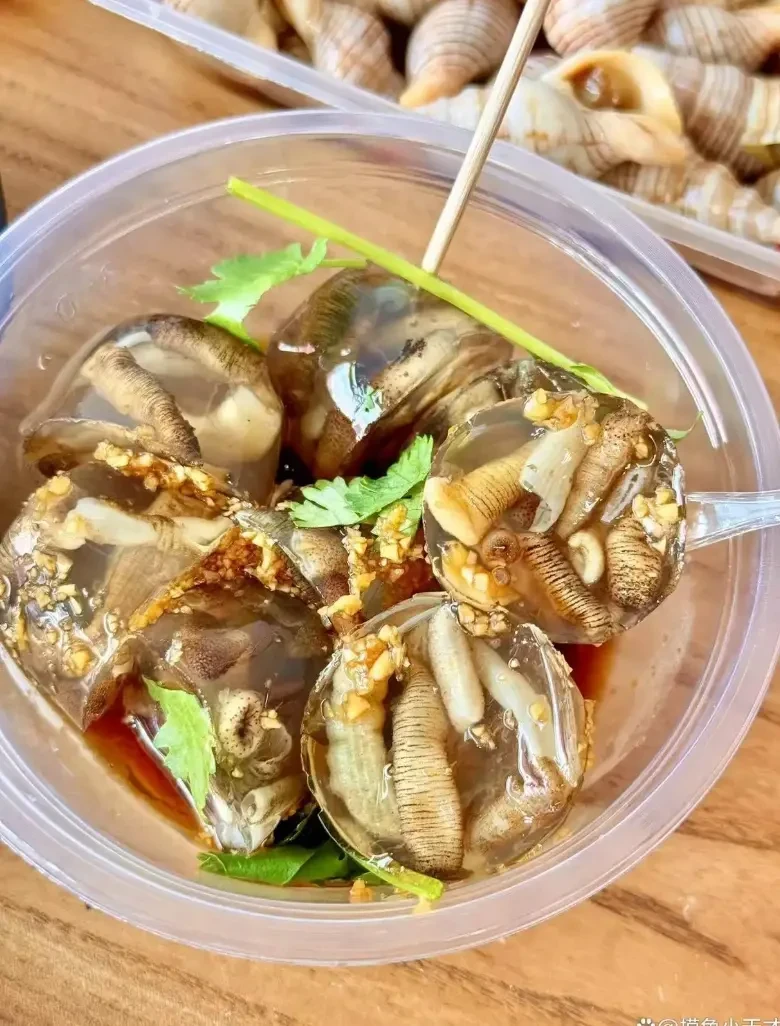
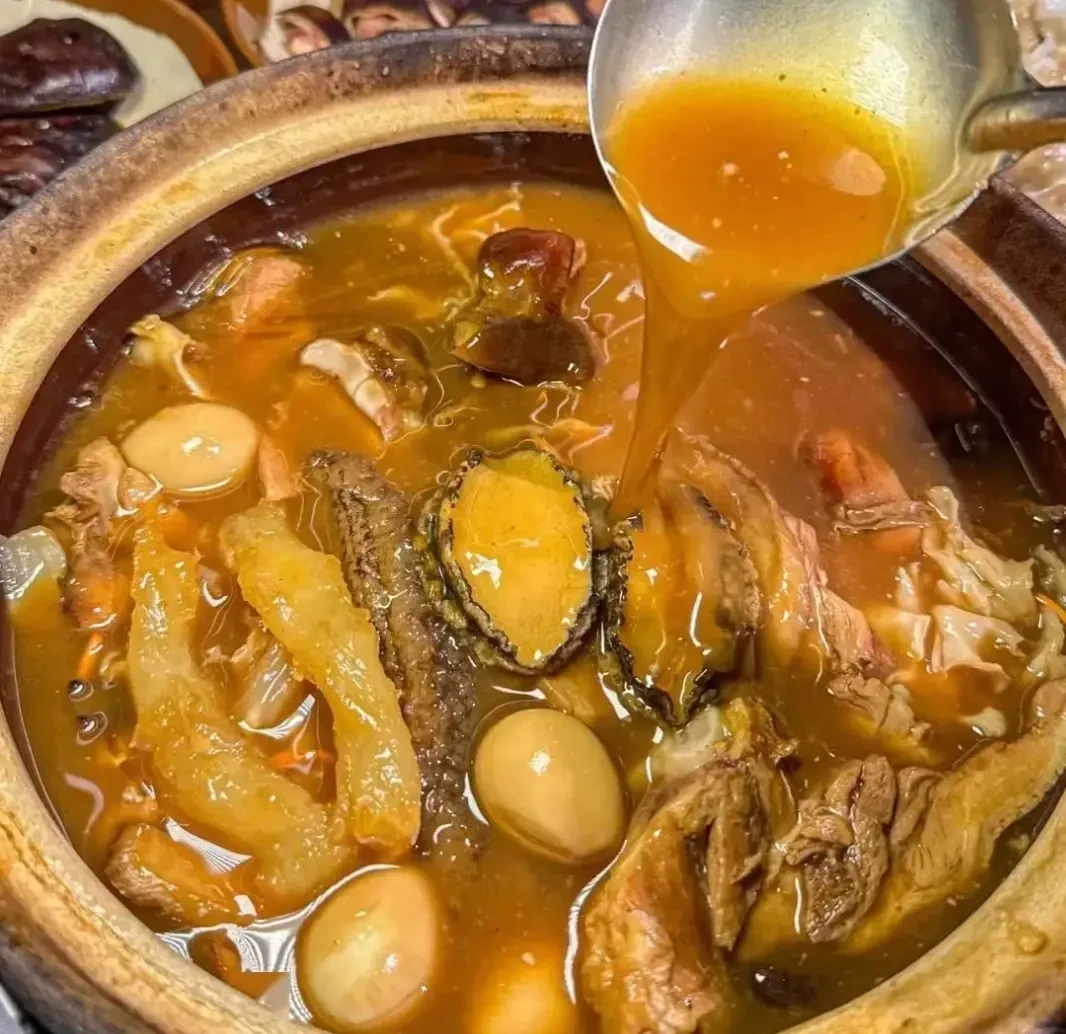
闽菜Fujian cuisine is built on umami-rich broths, coastal seafood, and mountain ingredients. Slow-simmered soups and clay-pot dishes are central, and the famous banquet soup is its best-known signature.
Hunan Cuisine
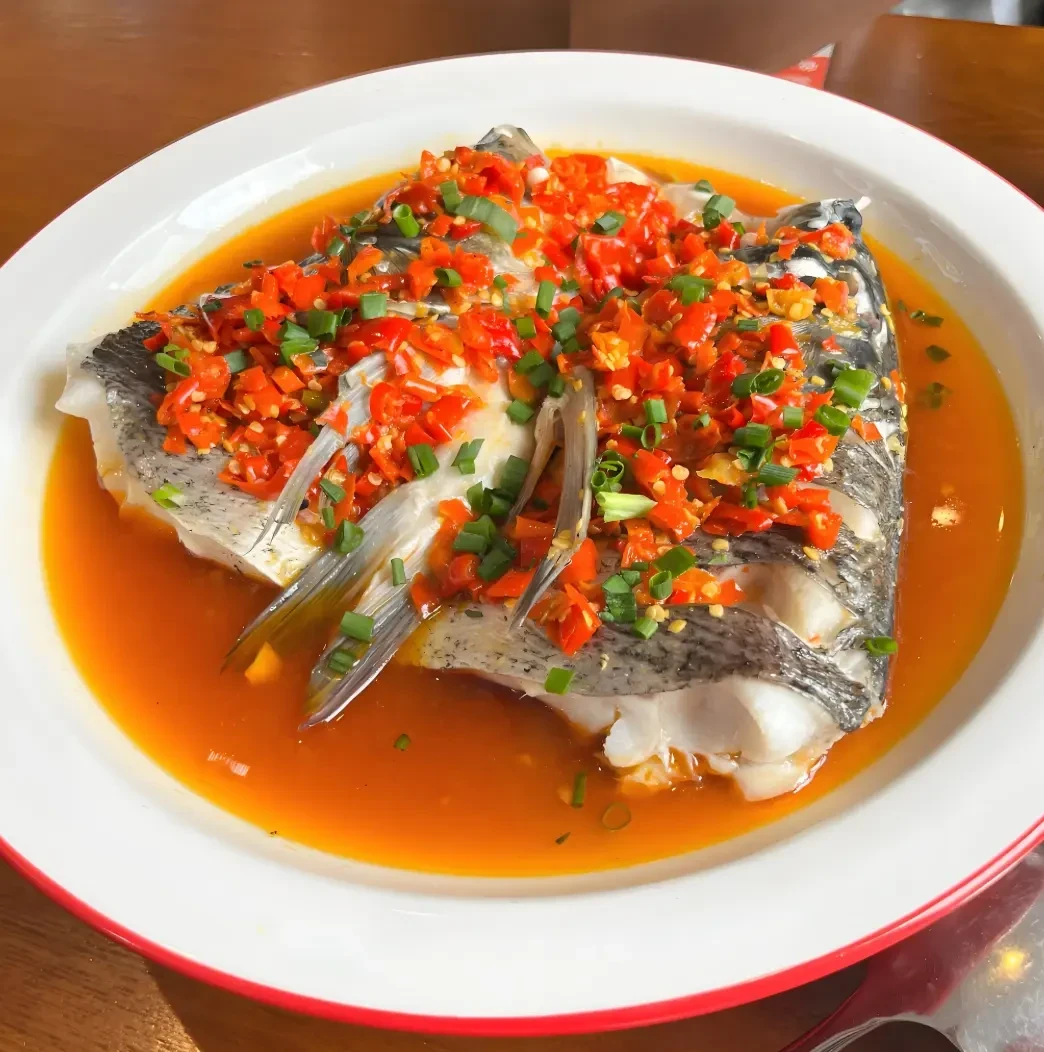
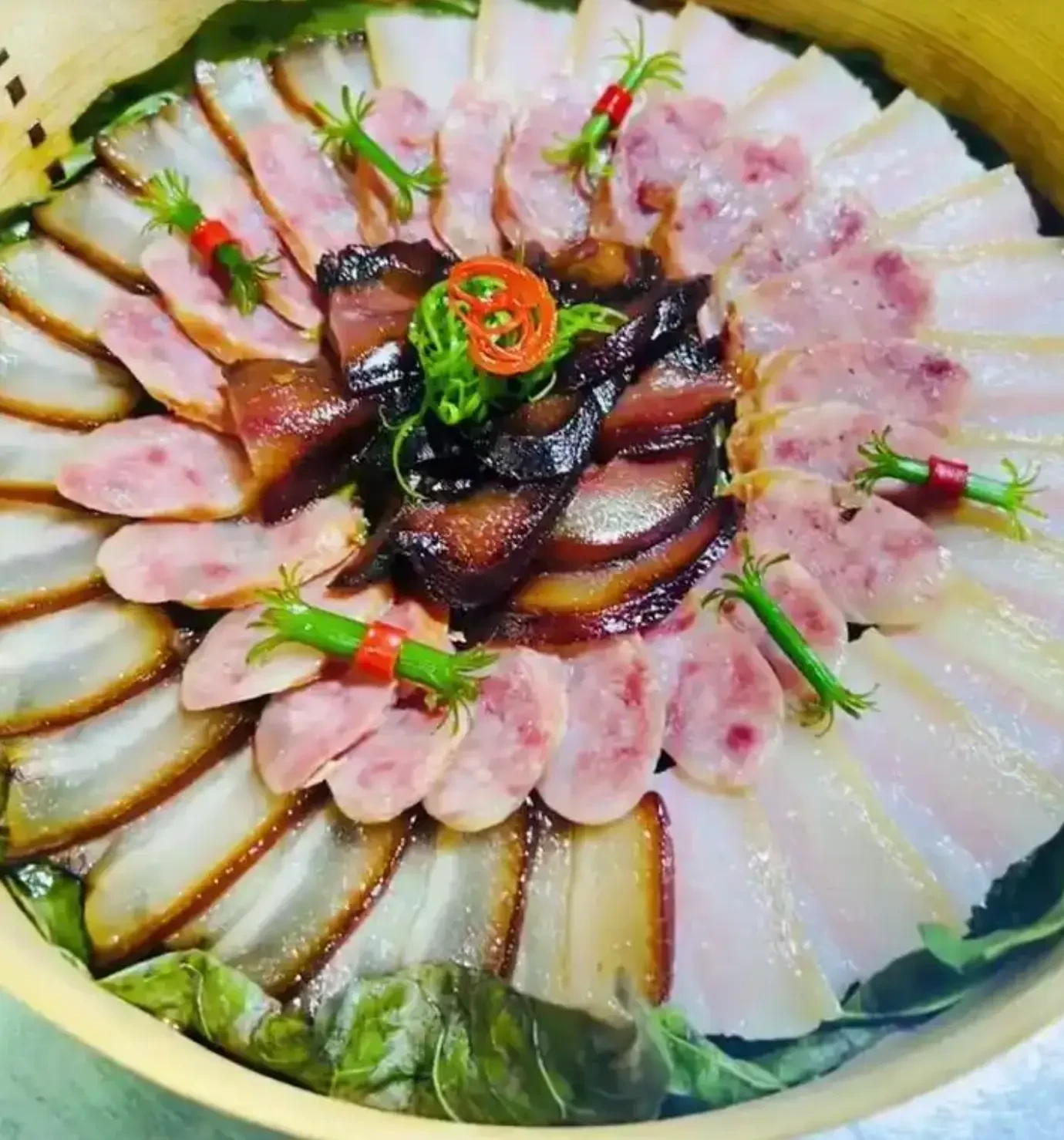
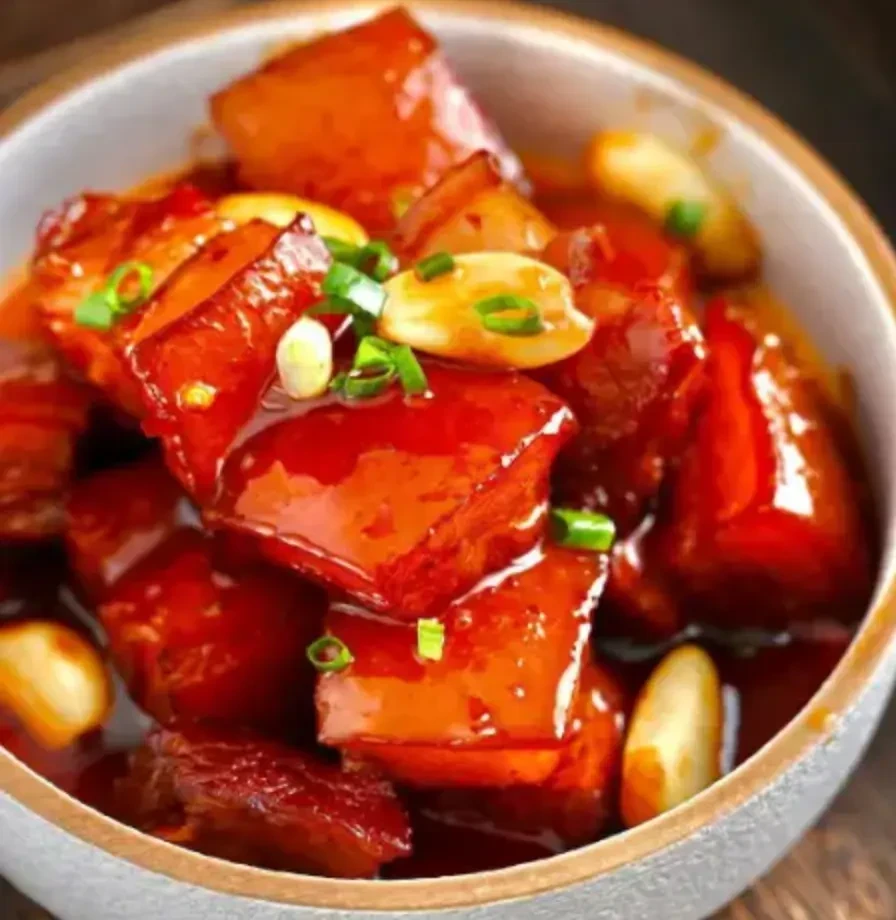
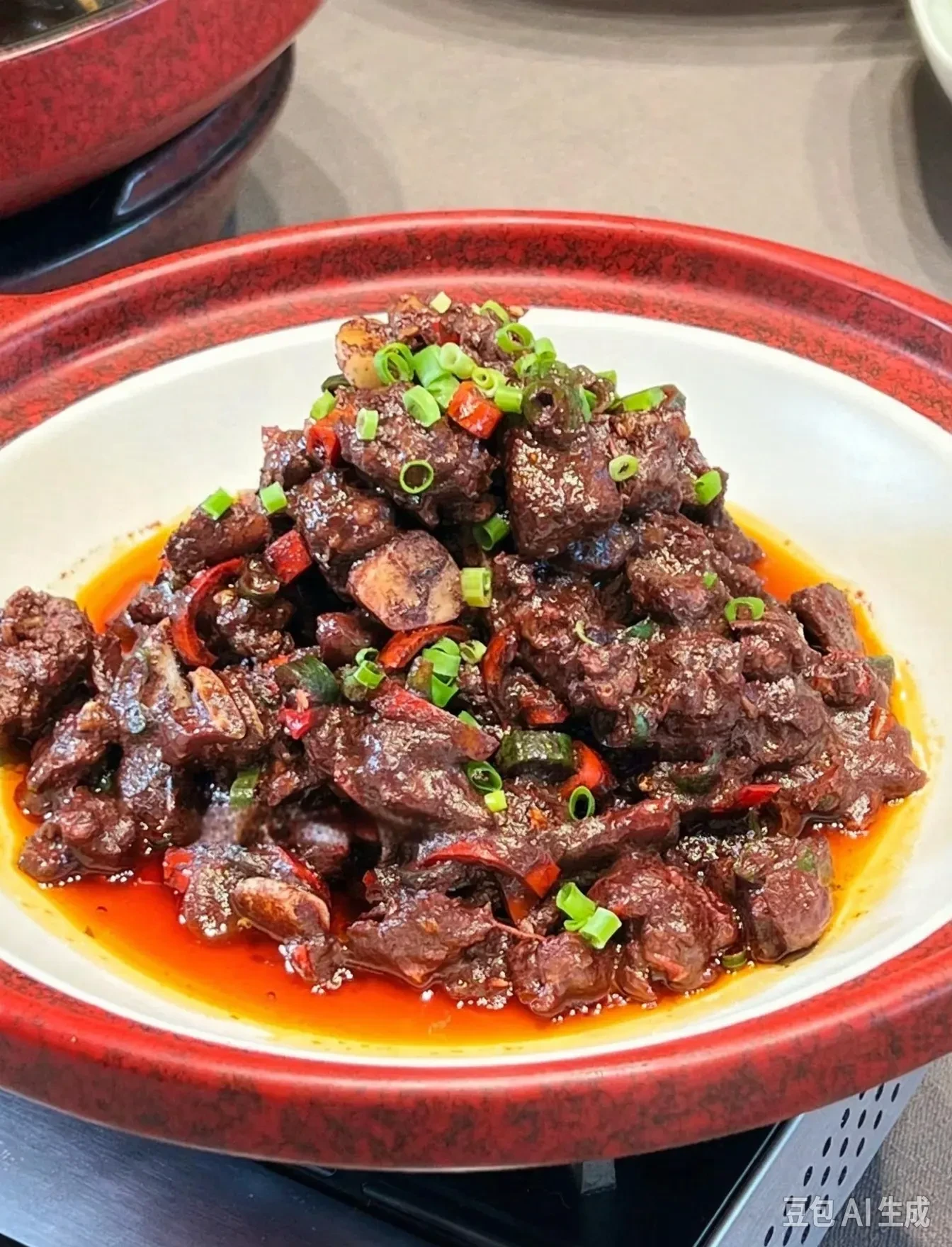
湘菜Hunan cooking is direct and fiery, using fresh chilies, smoked and cured meats, and plenty of pickled vegetables. Stir-frying and smoking give the dishes their distinctive aroma.

Anhui Cuisine
徽菜Anhui cuisine comes from the mountain villages of Huizhou, relying on wild herbs, bamboo shoots, freshwater fish, and slow braises over wood fire. Flavors are savory and robust.
Northeast Cuisine
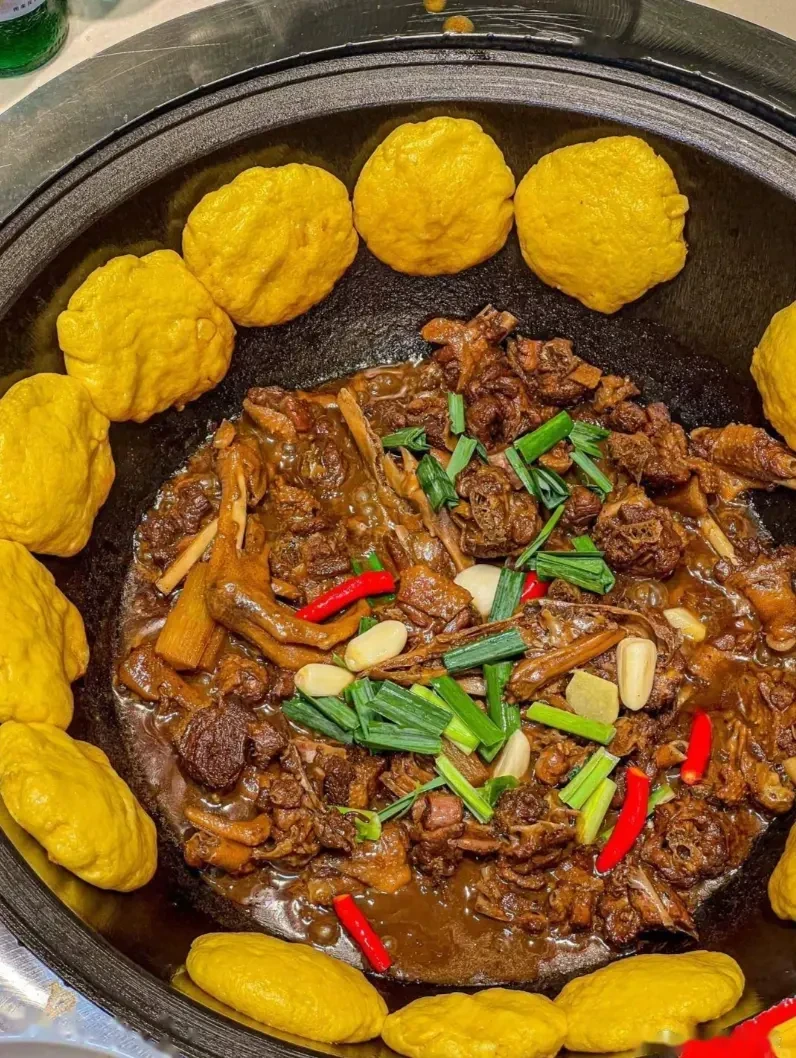
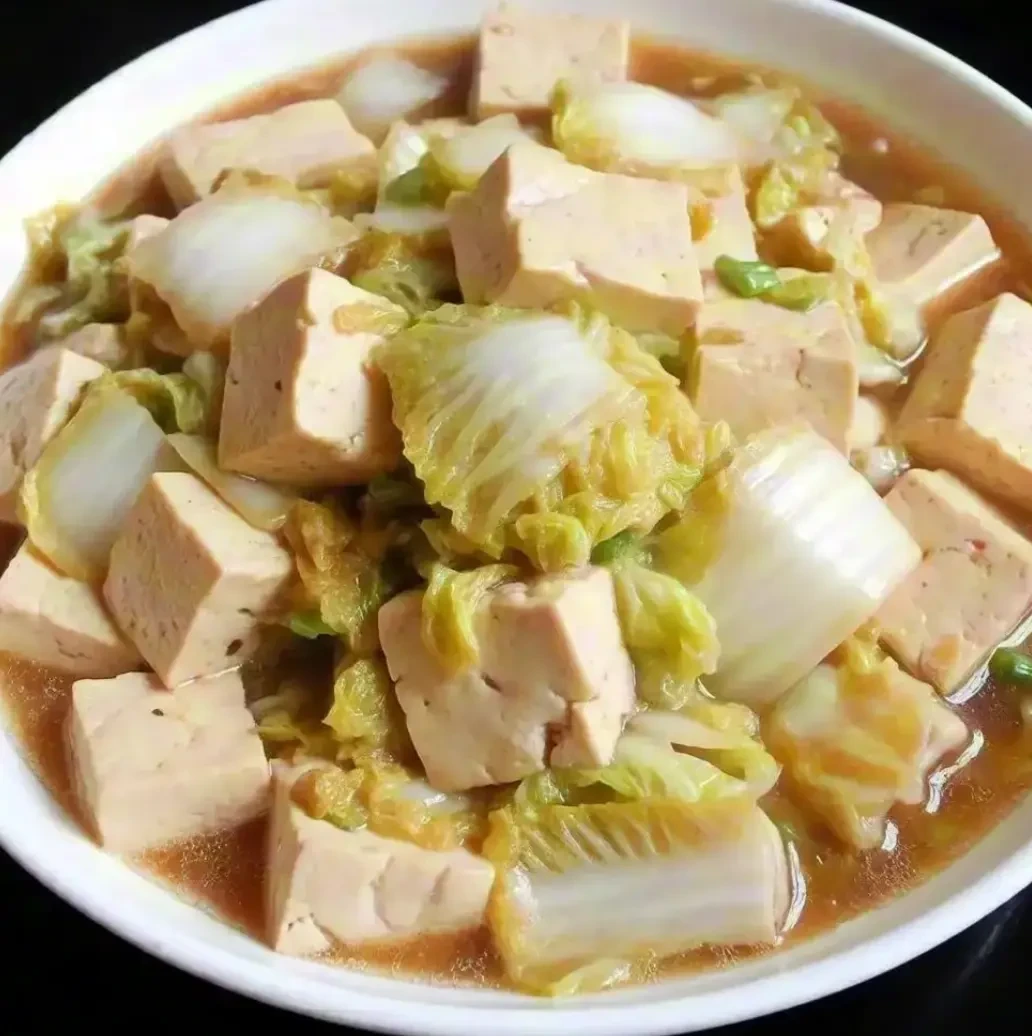
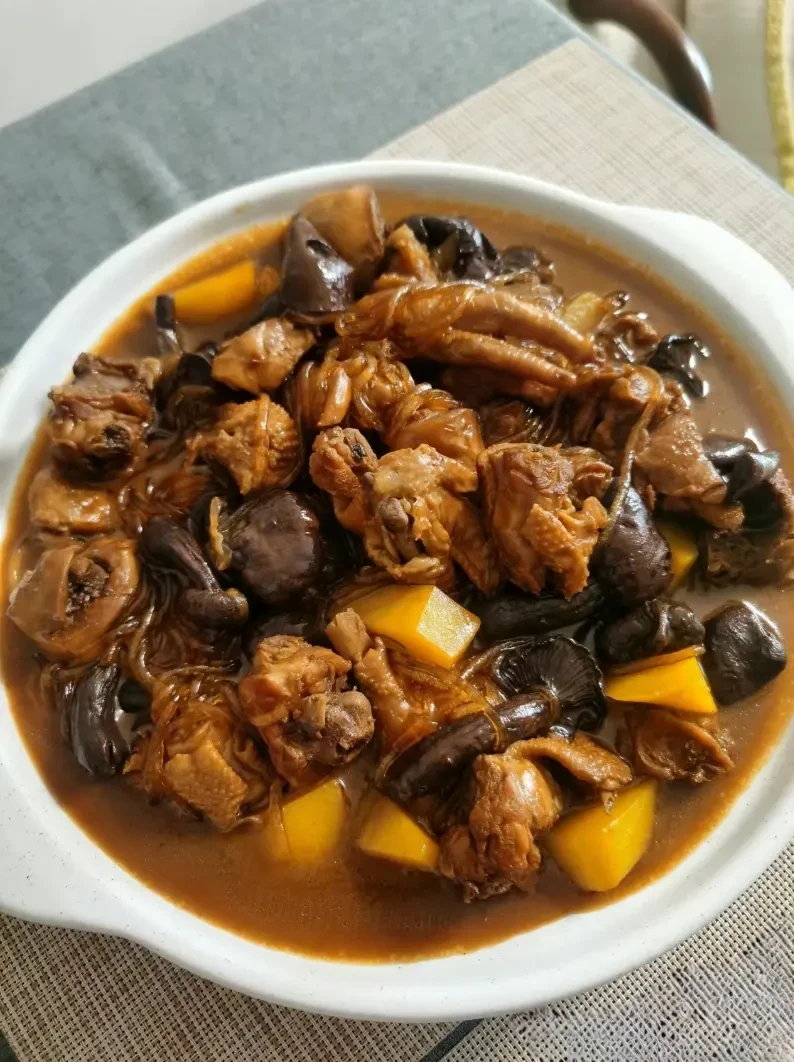
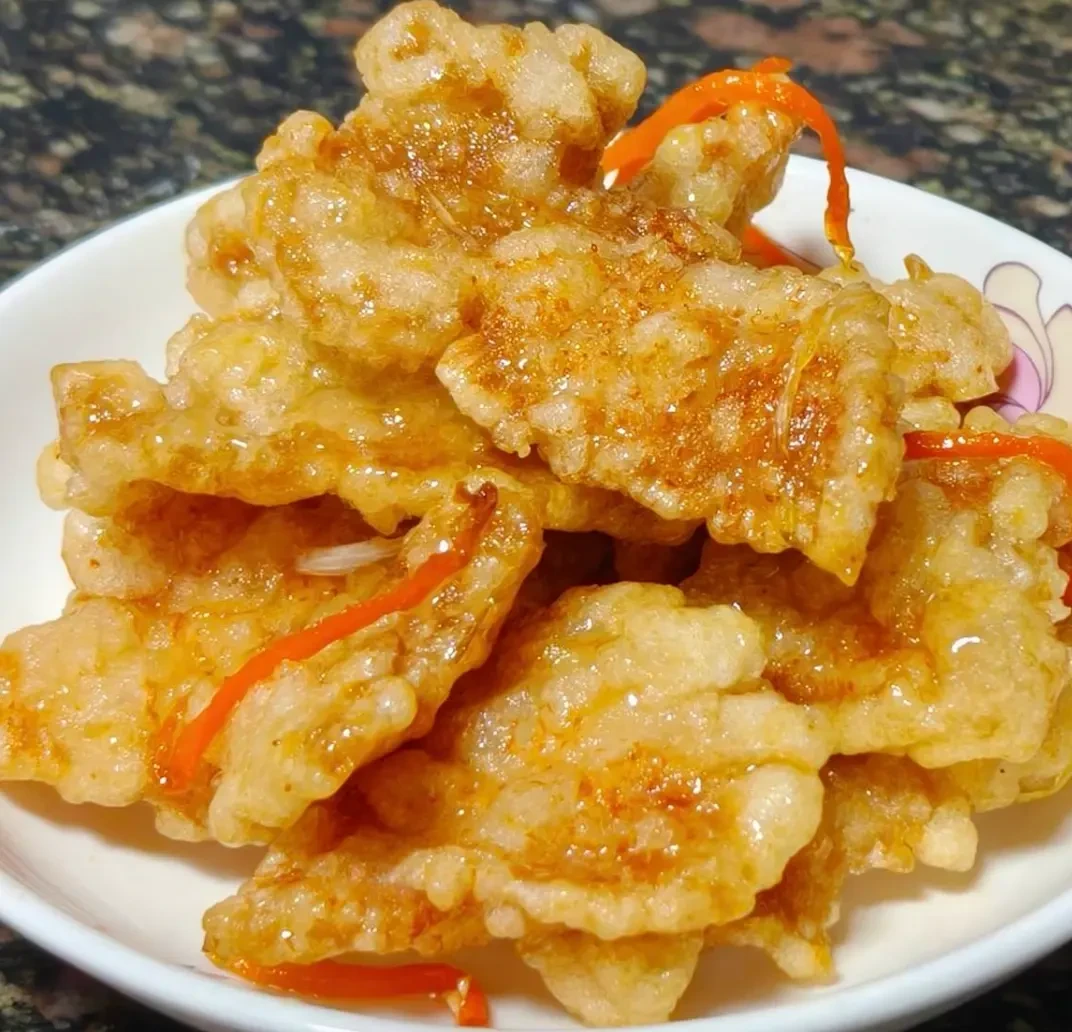
东北菜Dongbei cooking is hearty and generous, made for long cold winters. Stews, pickled cabbage, wheat staples, and big shared plates define the table.

Beijing Cuisine
京菜Beijing cooking blends imperial kitchen traditions with northern home cooking. Roasts, wheat noodles, and copper-pot hot pot are staples of the city's table.

Shanghai Cuisine
沪菜Benbang cuisine is the local style of Shanghai: soy and sugar braises, freshwater fish and shellfish, and delicate breakfast snacks served from early morning.

Northwest Cuisine
西北菜Northwest cooking follows the old Silk Road: wheat noodles, lamb, cumin, and flatbreads. Portions are generous and flavors are warm and direct.
Interested in the day-to-day meals of each region?
Browse regional daily diets